Despite representing more than half the population (51%), women and Black people continue to receive fewer resources to run for office, compromising their chances of victory. Among RenovaBR graduates, the situation has reversed, indicating that political training and access to support networks can reduce historical inequalities in electoral financing.
While not the only factor, funding is one of the biggest determinants of political success. In Brazil, even after quota laws and regulatory advances, women continue to receive fewer resources to run for office, and the result is reflected in their underrepresentation: only 18% of seats in city councils and 13% of city halls are held by women.
O Municipal Electoral Inequality Map, conducted by RenovaBR, confirms this inequality. In 2024, female city council candidates raised, on average, 42 percentage points less than male candidates. Among RenovaBR alumni, however, there was a reversal—they raised 22% more than male candidates, indicating that political training and support networks help reverse a historically unequal scenario.
Why does talking about financing matter?
We live in a context where electoral campaigns require resources to ensure visibility and competitiveness. For women, progress began to take shape in 2015, during a mini electoral reform which determined that between 5% and 15% of the party fund should be allocated to women's candidacies – a percentage considered insufficient and later overturned by the Judiciary for imposing a ceiling. Based on Direct Action of Unconstitutionality No. 5,617, the then Attorney General at the time, Rodrigo Janot, argued that the minimum resources should be 30%, in line with quota law, an understanding ratified by the TSE in 2018 and also extended to the Special Campaign Financing Fund (FEFC).
In 2020, a new milestone occurred after a consultation with Congresswoman Benedita da Silva. The Superior Electoral Court (TSE) ruled that Black, brown, and Indigenous candidates should also receive proportional minimum funding and free airtime, expanding the affirmative action policy.
But despite regulatory advances, such as the minimum 30% reserve for female candidates in the Electoral Fund and the Party Fund, women remain at a disadvantage. The problem, according to the political scientist, Beatriz Sanchez, is both in the way the laws were implemented and in the loopholes that the parties found to keep them under control.
"In practice, this minimum ended up becoming a maximum, both in terms of the number of candidates launched and the amount of resources allocated to them," she points out. She notes that the legislation doesn't detail how this money should be distributed, which allows for distortions, such as concentrating all funding on just one candidate or counting resources from a majority-male ticket as investment in a female candidate simply because they have a running mate.
For her, although the rule represented progress, legislation still needs to be improved to establish clearer criteria for how resources are distributed. She believes that the concentration of funds on certain candidates may be related to internal pressure within parties to invest in those considered more competitive—which, in general, are male—and that, although parties are required to allocate a minimum quota for women, this money is not always used directly by the candidates.
This logic deepens inequalities. Even with more women registering for office, they don't receive the same financial support. For Beatriz, this dismantles a notion still prevalent in common sense: "Female underrepresentation isn't explained by a lack of interest in politics. It stems from structural barriers, and funding is one of the main ones," adds the scientist.
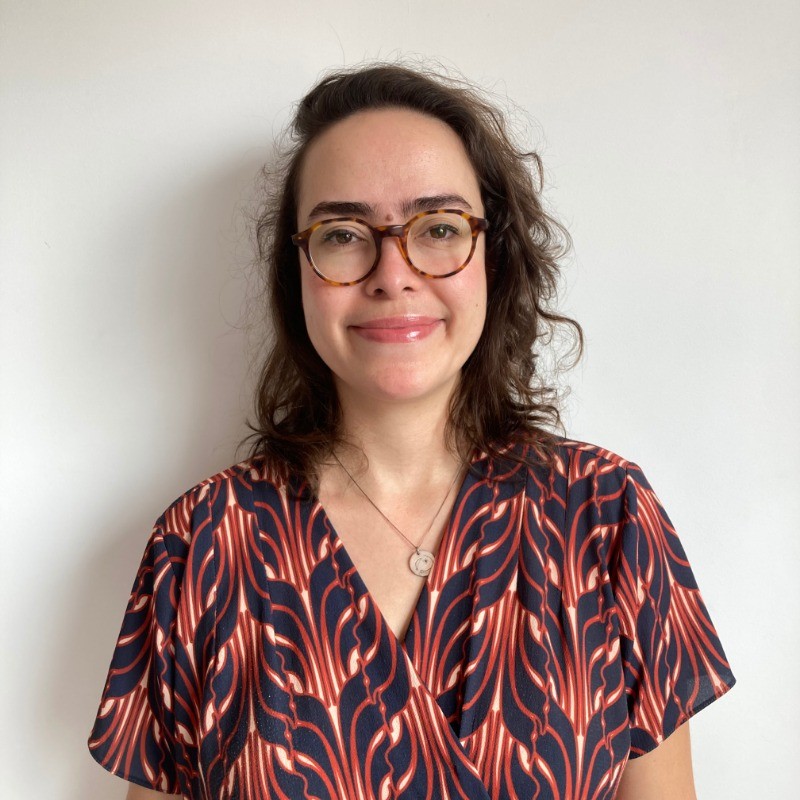
Trajectory and obstacles: the experience of Luma Menezes
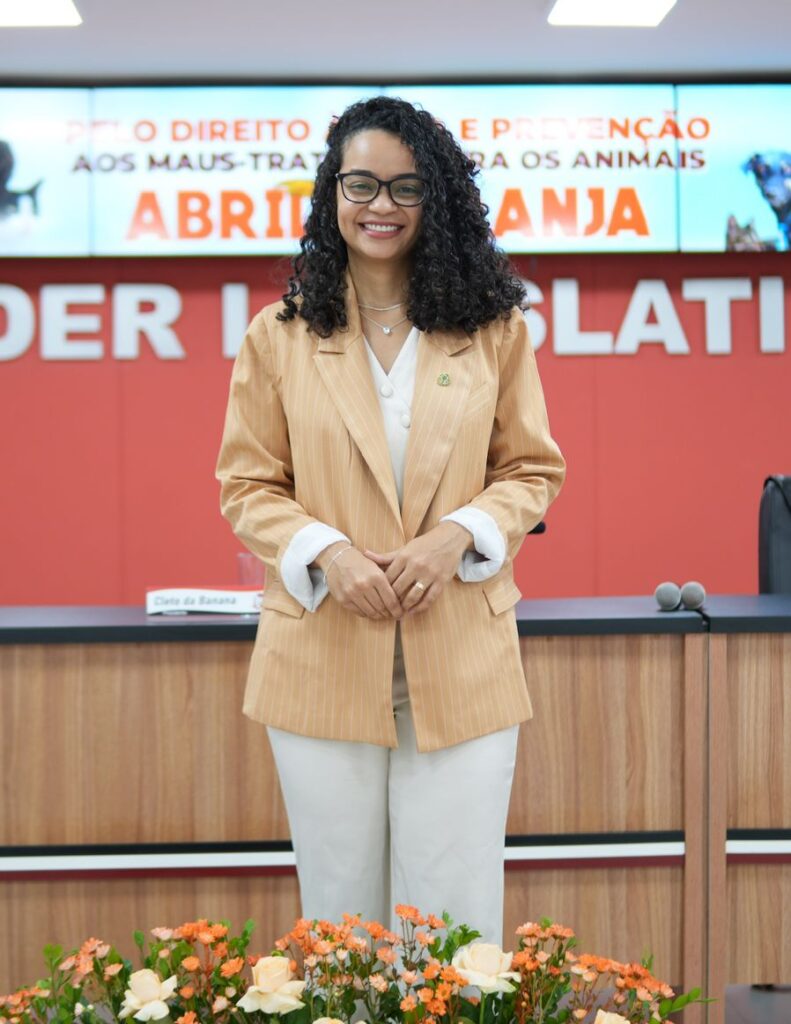
The numbers come to life when we look at the careers of elected women. This is the case of Luma Menezes, the youngest female councilor elected in her city in 2020 and reelected in 2024, in Alagoinhas, Bahia. Her involvement in politics began early, inspired by the work of her father, who was elected councilor in 2016. But when she decided to run for office in 2020, she quickly realized how access to resources could be an obstacle.
That year, he received R$15,000 in party funding to run his first campaign. With this amount, he had to plan every expense, including fuel, staff, pamphlets, and financial statements. "I more or less understood what would be necessary to organize myself. My father's previous campaign experience and the information I had about the formation of RenovaBR were crucial to executing the plan," he recalls. Even so, the difference compared to other competitors was stark.
The councilwoman emphasizes that candidates often struggle to manage resources that aren't sufficient from the outset, potentially harming themselves. "The R15,000 I received was a considerable amount of funding for many people going into their first election with nothing. But here, it wasn't enough. I was running against politically sponsored people who had access to structures I'd never had access to. I could have run a lean campaign, but it wasn't the same," says Luma.
The councilwoman says that part of her resources was invested in printing resumes, which she distributed on the streets and highways so voters could get to know her. Furthermore, part of the funds were allocated to social media—a strategy that proved decisive, especially during the pandemic, when the distribution of physical materials was limited. Even so, the inequality of conditions was evident.
In majority campaigns, female mayoral candidates raised R$251,000 more than their male counterparts in 2024. While male campaigns averaged R$215,027, women's campaigns averaged R$255,577, contrasting with the structural logic of female exclusion from campaign financing. However, this increase in average fundraising may be associated with the concentration of resources in a few high-profile female candidates.
Map Data: Inequality Affecting Outcomes
The Municipal Electoral Inequality Map shows that the funding gap is directly reflected at the ballot box. In 2024, female city council candidates had a success rate of 6.9%, compared to 17.1% for men. In that election, male candidates raised, on average, R$$16,789. While female candidates raised R$$9,575, representing a difference of 42% less.
Among RenovaBR graduates, the success rate in applications almost tripled, reaching 16.1%. In these cases, women raised 22% more than men.
In the case of city halls, women received an average of 25% more than men. But the concentration of resources in a few female candidates explains why, even so, city halls remain an almost exclusively male space: approximately 90% of the positions remain male.
For Beatriz Sanchez, the concentration of resources is intertwined with the lack of women and Black people in leadership positions within political parties. "If women aren't among the people who decide where the money goes, it's very likely that the money won't go to them," she stated, highlighting that the same logic applies to Black candidates, who continue to be underfunded when they don't occupy these decision-making positions.
The expert emphasizes that some parties have internal rules, but there is no electoral legislation at the national level that mandates diverse composition of party leadership. For Beatriz, ensuring this participation in municipal, state, and federal branches would be essential to correct inequalities in campaign financing.
"The electorate isn't gender biased. Polls show that people would vote for women, but without money, it's very difficult for candidates to be visible to the public," said Beatriz, emphasizing that the problem isn't public willingness, but the visibility these candidates can achieve when they have access to resources.
When women decide on resources
If Luma had to make do with little in 2020, her position changed in 2024. Re-elected as a councilwoman and president of the PDT municipal board, she began to play a decisive role in the internal distribution of resources. That's when she decided to ensure that 50% of the available resources would be allocated to the party's female candidates.
"Even though I was already in office and knew that, traditionally, men in office receive more, I chose to divide it equally among the women. My visibility was greater than theirs, so I thought it was fair to ensure equality from the start," she explains.
But the decision wasn't simple. According to Luma, political parties often use the argument that women without electoral records shouldn't receive funding because "their potential is unknown." She believes this is circular reasoning that perpetuates exclusion. "Potential can only be tested if there is minimal investment in candidates. If women never receive resources, they will never be able to prove their competitiveness," she explains.
Therefore, she argues that it's urgent to increase the presence of women in party decision-making. "If it's all men, they'll always prioritize male candidates. We'll only ensure fair funding when we have women in strategic positions, such as presidency and treasury, within the parties," she concludes.
Paths to move forward
Without money, there is no level playing field. But funding alone doesn't solve everything. Beyond this issue, Beatriz pointed out the need to strengthen incentive policies, transparency, and ensure that women occupy strategic positions within political parties. Advanced structural measures could point to different directions for women's participation in politics.
"In countries that have made progress in female representation, the closed list system combined with alternating elections ensured that more women were elected. In Brazil, the open list system favors those who already have political capital, usually men," she states.
Luma, in turn, reinforces the importance of training and solidarity among women. For her, experiences like RenovaBR help level the playing field, but real change will only come when women gain a voice within party structures as well.
"Resources never arrive in the necessary volumes, and often arrive at the last minute. Only with more women on the boards can we make a lasting change to this," the councilwoman concludes.


